
FIFA chief refereeing officer Pierluigi Collina has defended the standard of officiating at the 2026 World Cup and insisted match officials are not influenced by any outside figures or pressure.
The former Italian referee, who has chaired FIFA’s referees committee since 2017, issued a public response following criticism surrounding several controversial incidents during the tournament in North America.
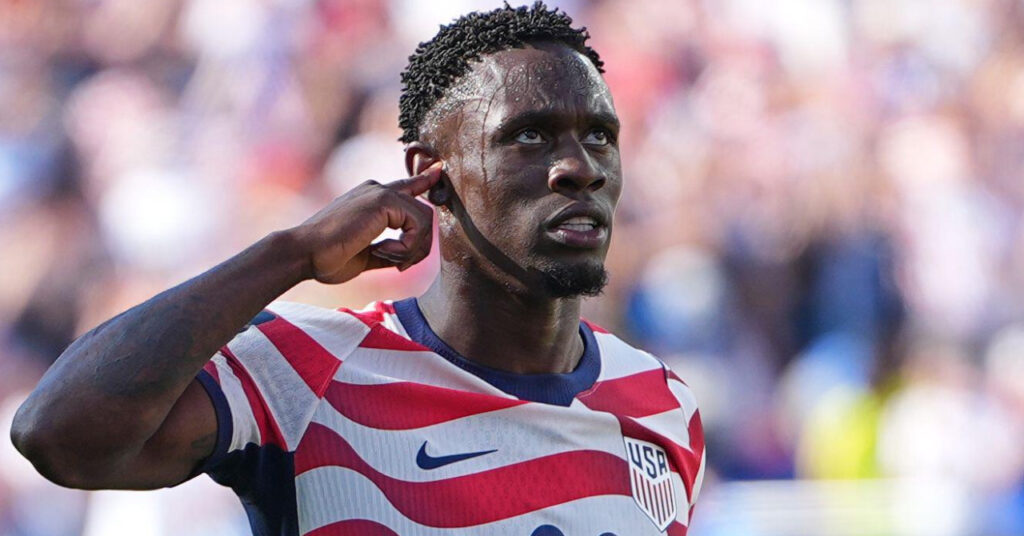
Among the biggest talking points has been the decision to overturn United States striker Folarin Balogun’s red card suspension after FIFA president Gianni Infantino held discussions with US President Donald Trump.
There was also anger from Egypt following their last-16 loss to Argentina, with the African side questioning the decision to disallow a goal that would have put them 2-0 ahead in the second half.
Speaking in an interview published by FIFA, Collina defended both the officials and the processes used during the competition.
“Overall, we are happy,” he said.
“However, with such a high number of matches played in a relatively short period of time, it is normal that some things do not go as expected.
“When that happens, they are ready to work even harder to ensure they are fully prepared for the next match.”
‘Nobody can question the integrity of officials’
Collina also rejected suggestions that referees have been influenced by individuals outside FIFA’s refereeing structure.
“Constructive discussion about decisions will always be part of football, but unfounded allegations have no place in our sport,” he said.
“Nobody can question the integrity of the FIFA World Cup match officials.
“When this happens, it may provoke reactions that lead to threats against them and their families. This is not right.
“Nobody can claim that FIFA refereeing can be influenced by anyone, not even by the FIFA president,” he said.
“He has always shown his full support for FIFA Team One while trusting us to work with complete independence.
“Match officials make honest decisions and, just like players and coaches, they always try to do their best.”
Why Egypt’s goal against Argentina was ruled out
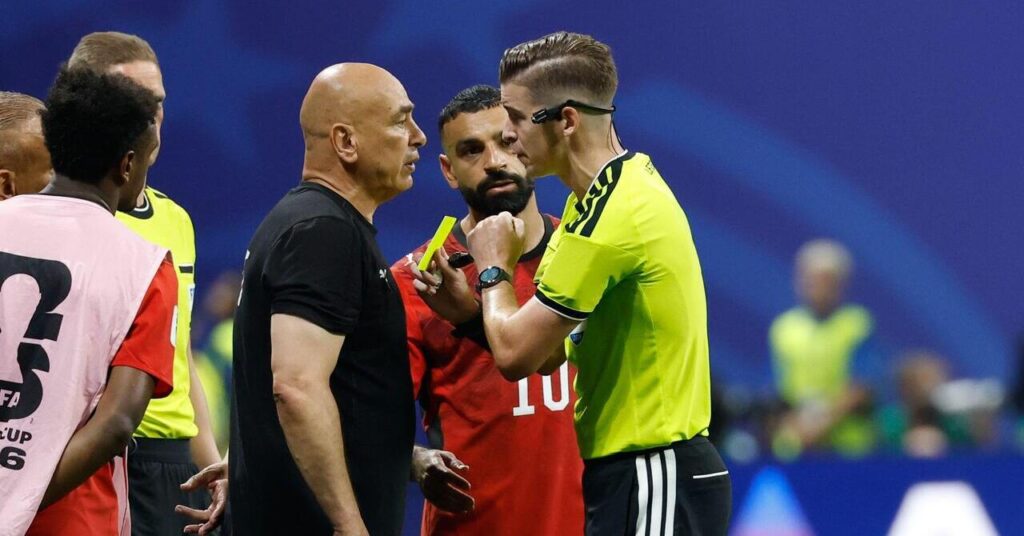
Collina also addressed the controversy surrounding Egypt’s disallowed goal against Argentina.
He explained that video assistant referees review the entire attacking possession phase leading up to every goal and can recommend an on-field review if an offence is identified.
“There is no defined limit regarding either the distance from goal or the amount of time between the incident and the goal,” Collina said.
“Egypt No. 19 Marwan Attia clearly treads on the foot of Argentina No. 6 Lisandro Martinez,” Collina said.
“We believe that a foul is a foul.
“Regardless of whether the foul appears obvious, if the referee did not see it on the field of play, the VAR can intervene.
“Stepping on an opponent’s foot is a foul, whereas a defender who touches the ball first and then makes normal football contact has not committed a foul,” he said.
“The referee and the VAR deemed it normal football contact between Egypt No. 10 Mohamed Salah and Argentina No. 10 Julian Alvarez.
“Of course, there will always be an element of subjectivity in some decisions, but we are happy with how this principle has been applied throughout the tournament.”
You Should Also Read