/ Football News / Serie A News

Serie A News

Italian Football at Its Most Intense

Serie A produces the kind of football that gets under your skin. The tactical battles, the derbies that split cities, the managers who become cult figures overnight and scapegoats by Christmas. This is where coaching matters as much as talent, and where a well-organised lower-half side can make life genuinely uncomfortable for the biggest clubs in the country. If you want to understand what makes Italian football different from every other major league, you have to watch it regularly.

This category covers everything happening in the top tier of Italian football. Match reports from the weekends, transfer news as the windows open and close, confirmed line-ups before kick-off, and the managerial stories that never seem to stop in Italy. Inter Milan, Juventus, AC Milan, Napoli, Roma, Lazio — the big clubs generate headlines every week, but Serie A also rewards you for paying attention to the teams outside the top six. Clubs like Fiorentina, Atalanta and the occasional promoted side with serious ambitions keep the league from being predictable.

The coverage here follows the full season, from the opening weekend through to the final day Scudetto drama, the European qualification fights and the relegation battles that come down to goal difference in May.

How Serie A Works

Serie A is the top division of Italian professional football, organised by the Lega Serie A under the Italian Football Federation (FIGC). Twenty clubs compete across a 38-game season running from mid-August to May. Each club plays every other side home and away. Three points for a win, one for a draw, none for a defeat. The team with the most points at the end of the season is champion and lifts the Scudetto, the gold star badge sewn onto the next season’s kit.

The top four clubs qualify for the UEFA Champions League. The fifth and sixth-placed sides enter the UEFA Europa League, with the seventh sometimes joining them depending on cup results and UEFA coefficient allocations. The bottom three clubs are relegated to Serie B, while the top two from Serie B are promoted automatically and a third comes up through the playoffs.

Serie A uses goal difference as the first tiebreaker when clubs finish level on points, followed by head-to-head record. Italian football used to settle ties on a direct head-to-head basis before switching to the current system, which occasionally causes confusion but is now consistent with most other major leagues.

The Clubs That Define the League

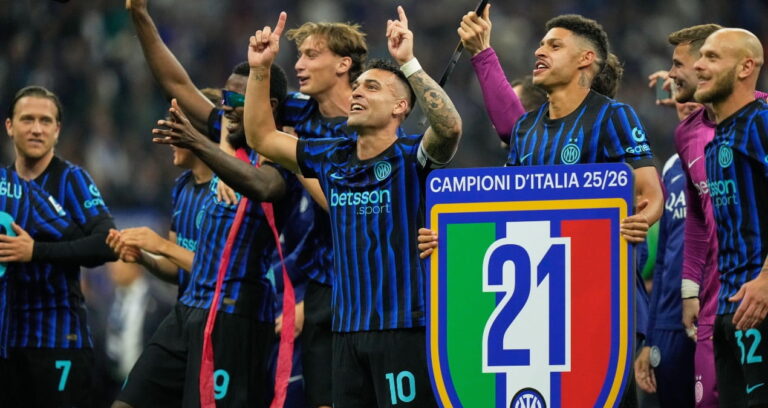
Inter Milan are the reigning champions after their title win in 2023/24, adding to a collection of Scudetti that now stands at 20. Their local rivals AC Milan have 19 to their name. Between them, the two clubs from the same San Siro stadium have dominated Italian football for decades, though Juventus are the real record holders with 36 league titles — more than any other club in the country.

Juventus spent most of the 1990s and 2000s operating as a nearly-untouchable force in Italian football. Nine consecutive Serie A titles between 2012 and 2020 made them the dominant side of the modern era before a points deduction in the 2022/23 season disrupted their trajectory. They remain one of the biggest clubs in European football regardless of where they finish in a given season.

Napoli broke the northern dominance in 2022/23, winning their first title in 33 years and sending the city into the kind of celebration it had not seen since the Diego Maradona era in the late 1980s. Roma and Lazio represent the other great rivalry in Italian football, the Derby della Capitale carrying a weight of politics and identity that goes beyond sport. Fiorentina, Atalanta and Torino all have serious supporter cultures and histories that deserve attention beyond their league positions.

What Makes Serie A Different

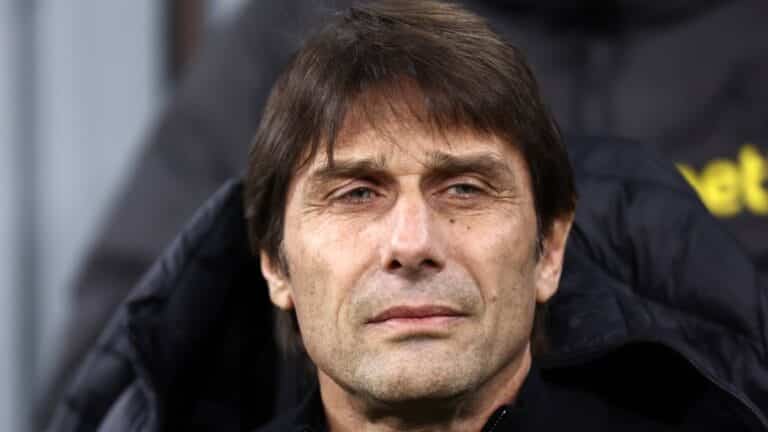
The Italian game rewards defensive organisation in a way that other leagues do not. Managers matter here more visibly than almost anywhere else in football. Antonio Conte, Carlo Ancelotti, Massimiliano Allegri and Maurizio Sarri have all shaped what Italian football looks like over the past 20 years, each with their own obsessions and methods. A new manager at a big club is genuine news in Italy, not just a footnote.

The tactical sophistication runs through every level of the game. Italian clubs were building structured defensive systems and pressing traps long before those ideas became fashionable in England and Germany. The 3-5-2 formation, the libero, the concept of pressing as a coordinated team action rather than an individual effort — much of the tactical language of modern European football has Italian roots.

The fan culture adds another layer. The Curva (the standing end behind the goal) at most Italian grounds sets the atmosphere, with choreographies, flags and chanting that can make a mid-table fixture feel like something worth watching from start to finish. Italian ultras have a complicated history, but the visual culture of the terraces remains unlike anything else in the game.

Serie A’s Place in European Football

Serie A clubs have won the UEFA Champions League 12 times, a record matched only by Spanish football. AC Milan’s seven European Cups stand as the most by any Italian club. Inter Milan’s treble in 2009/10 under José Mourinho remains one of the most complete seasons any club has produced in European competition. Juventus reached back-to-back Champions League finals in 2015 and 2017, losing both but establishing themselves again as genuine continental contenders.

The league’s UEFA coefficient has fluctuated over the decades. Italian clubs were the dominant force in European competition during the 1990s, when sides like AC Milan, Juventus, Lazio and Parma were spending heavily and winning regularly. A combination of financial problems at several big clubs and structural changes elsewhere in Europe saw the coefficient slip, but Serie A clubs have been increasingly competitive in the Champions League in recent seasons, with Inter reaching the final in 2022/23 and several other clubs pushing into the latter rounds.

For anyone who follows European football seriously, Serie A is not an optional extra. It is one of the four leagues that shape the continent.