/ Football News / Scottish Premiership News

Scottish Premiership News

Scotland’s Top Football League Explained

The Scottish Premiership is the top tier of professional football in Scotland. Twelve clubs compete across a season that runs from August to May, playing for the title, European places, and in some cases, their survival in the division. It is one of the oldest league competitions in world football, and it remains one of the most passionate.

A League Built on More Than a Century of Football

The roots of the Scottish top flight go back to 1890, when the Scottish Football League was first established. The competition has changed names several times since: Premier Division, Scottish Premier League, and eventually the Scottish Premiership, the name it has carried since 2013 when the Scottish Professional Football League was formed by merging the Scottish Premier League and the old Scottish Football League.

That makes the Scottish Premiership, in its current form, a relatively young competition. The history behind it, though, stretches back over 130 years. To understand the league properly, you have to look at it as a continuous thread, not just what has happened since 2013.

How the Season Works: The Split Format

The Scottish Premiership uses a distinctive format unlike most other European leagues. The season splits into two phases, and if you’re watching for the first time, it can take a moment to get your head around.

In the first phase, each of the 12 clubs plays every other team three times, alternating home and away. That brings everyone to 33 matches. Then the league splits. The top six clubs form one group; the bottom six form another. Each club plays the other five teams in their group once more, adding five matches and bringing the full total to 38 games.

Points from the first phase carry over. So the top six are not starting fresh — they are protecting and building on what they already have. The bottom six are fighting to avoid the play-offs and potential relegation. It keeps the pressure on throughout the season, which is part of the point. Follow all the latest Scottish Premiership news to keep track of how the standings develop as the split approaches.

The Old Firm: The Biggest Derby in British Football

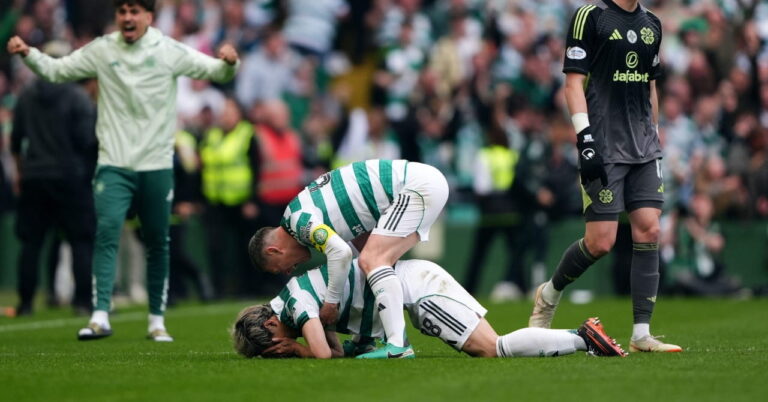
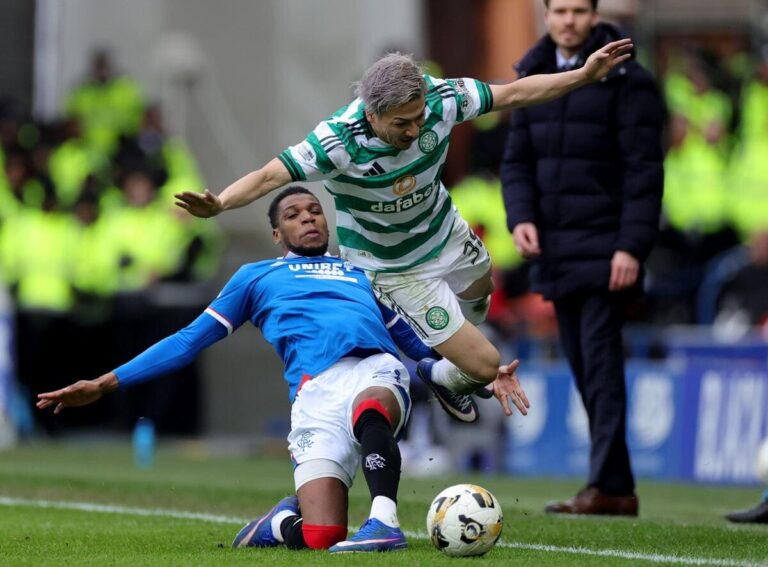
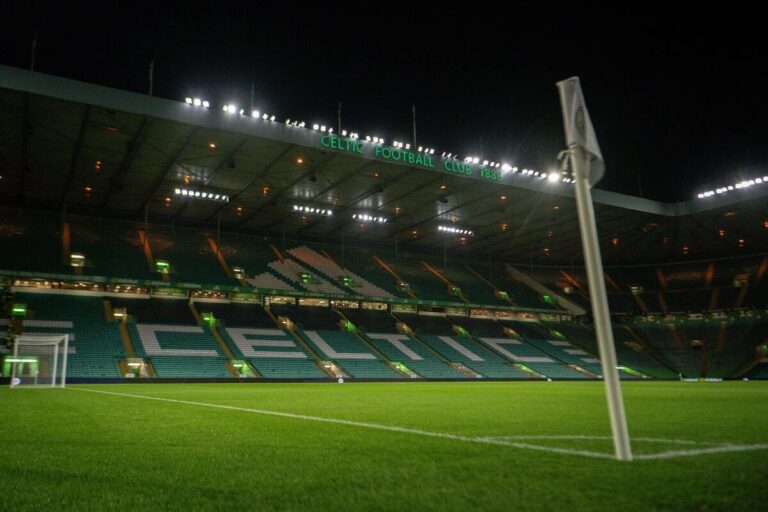
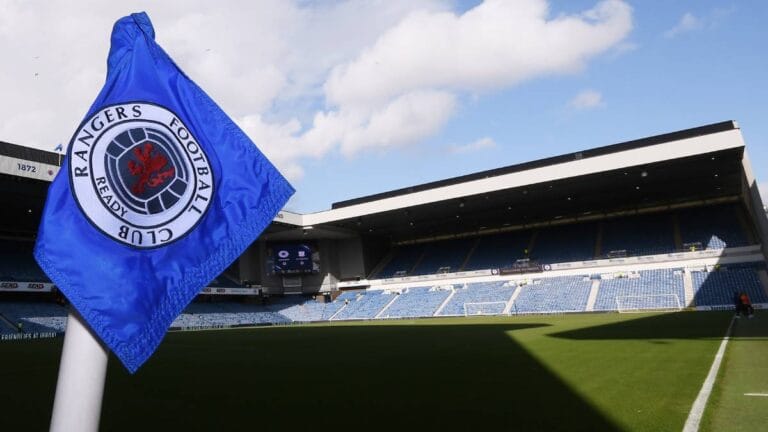
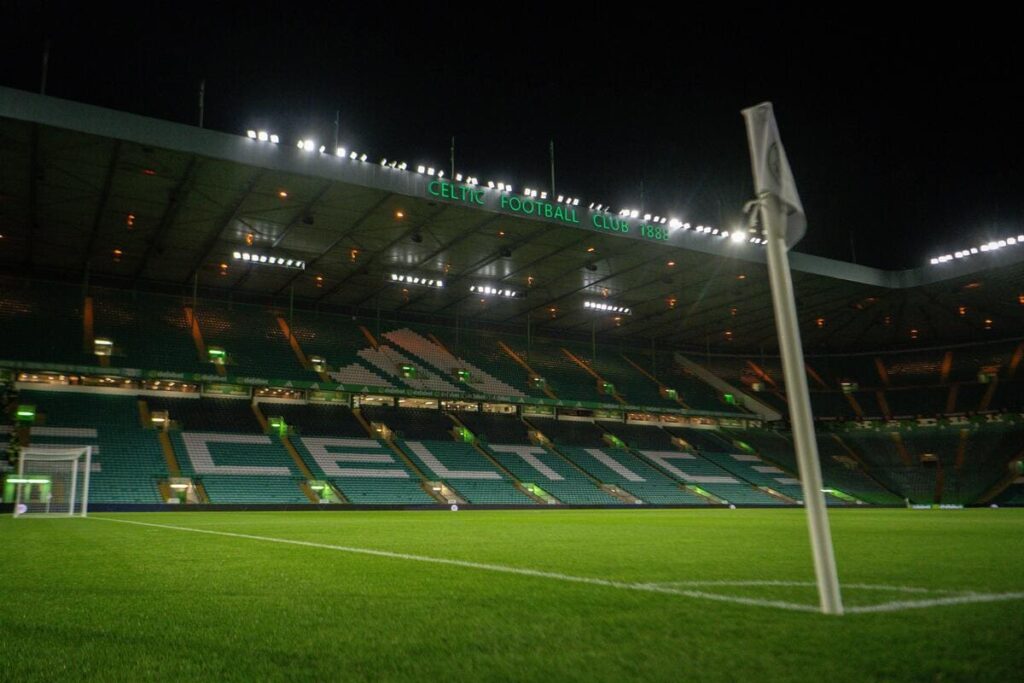
When Celtic meet Rangers, the rest of Scottish football stops and watches. The Old Firm is one of the most famous sporting rivalries in the world, and it has been shaping Scottish football since their first competitive meeting in 1888.

The two Glasgow clubs have dominated the top division to an extraordinary degree. Between them they have won well over 100 league titles since 1890, with Aberdeen’s four championships representing the best return of any other club. The rivalry between Celtic and Rangers goes deeper than football. It is rooted in the social, religious and political divisions that have run through Glasgow for well over a century, with Celtic traditionally associated with the city’s Irish Catholic community and Rangers with the Protestant unionist tradition.

On the pitch, the fixture has seen eras of dominance shift between the two clubs. Celtic’s nine-in-a-row title run in the 1960s and 70s under Jock Stein is arguably the most remarkable sustained period of success in Scottish football history. Rangers matched it with their own nine-in-a-row between 1989 and 1997. In more recent years, Celtic have been the dominant force, though Rangers ended a decade-long wait for a league title in the 2020–21 season under Steven Gerrard.

Why the Old Firm Fixture Matters Beyond the League Table

An Old Firm match rarely feels like a normal game. Form means less than usual. The tactical picture matters, but so does composure, leadership and the ability to handle an atmosphere that genuinely rivals anything else in European football. The fixture has produced moments of brilliance, controversy and drama that still get debated years later.

The Rest of the Premiership: More Than the Glasgow Two

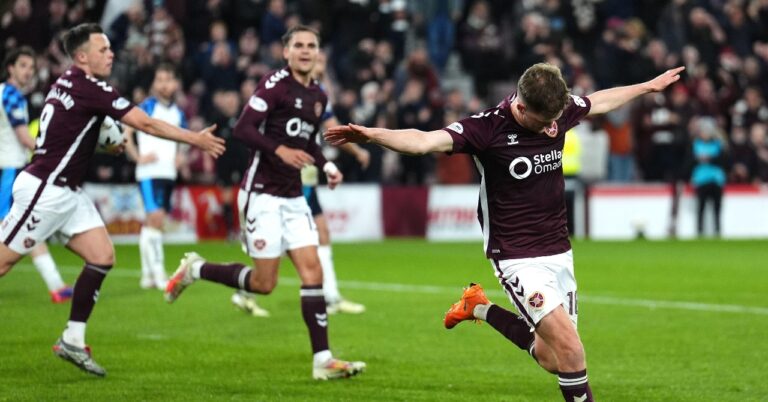
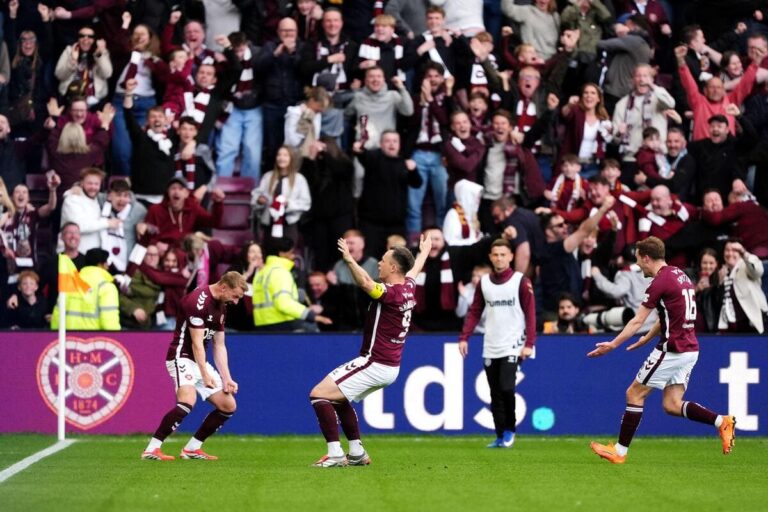
While Celtic and Rangers dominate the title conversation in most seasons, the Scottish Premiership is not simply a two-club competition. Hearts and Hibernian bring the intensity of the Edinburgh derby to the calendar each season — a rivalry that dates back to the 1870s and carries its own fierce local pride. Aberdeen, Motherwell, Dundee United, St Johnstone and others have all pushed for European places and silverware in recent seasons.

Aberdeen, in particular, have a history that deserves more recognition than it sometimes gets outside Scotland. The Dons are the only Scottish club to have won two European trophies, claiming the European Cup Winners’ Cup and the European Super Cup in 1983 under Alex Ferguson. That remains one of the greatest achievements in Scottish football history. Aberdeen also broke the Old Firm stranglehold on the league, winning four titles, the last coming in 1984–85.

European Football and the Premiership

Finishing in the top tier of the Scottish Premiership opens the door to European competition. Celtic, as champions, enter the UEFA Champions League. The second-placed club enters the Champions League qualifying rounds, while further down the table, Europa League and Europa Conference League places are available depending on league position and Scottish Cup results.

Scotland’s UEFA coefficient has improved steadily in recent years, helped by Celtic and Rangers making progress in European group stages. That improvement translates into better seedings and later entry points for Scottish clubs in qualifying, which has real practical value for clubs like Hearts and Hibernian who have benefited from a growing European presence.

Hibernian hold a notable place in European football history as the first British club to enter official UEFA competition, participating in the inaugural 1955–56 European Cup. Scottish football’s relationship with Europe is longer and richer than many realise.

Why the Scottish Premiership Is Worth Following

For football fans outside Scotland, the case for following the Premiership is straightforward. The Old Firm alone is worth the entry price. But there is genuine drama elsewhere in the division — tight relegation battles, clubs punching above their weight in Europe, and a league structure that ensures the second half of the season carries weight.

The top flight has contained 12 clubs since the 2000–01 season, the longest uninterrupted period of structural stability in Scottish football history. That consistency has helped build a predictable rhythm to the season, even as the stories within it continue to surprise.

For rolling news, transfer updates, match reports and analysis, 101 Great Goals covers the Scottish Premiership throughout the season.