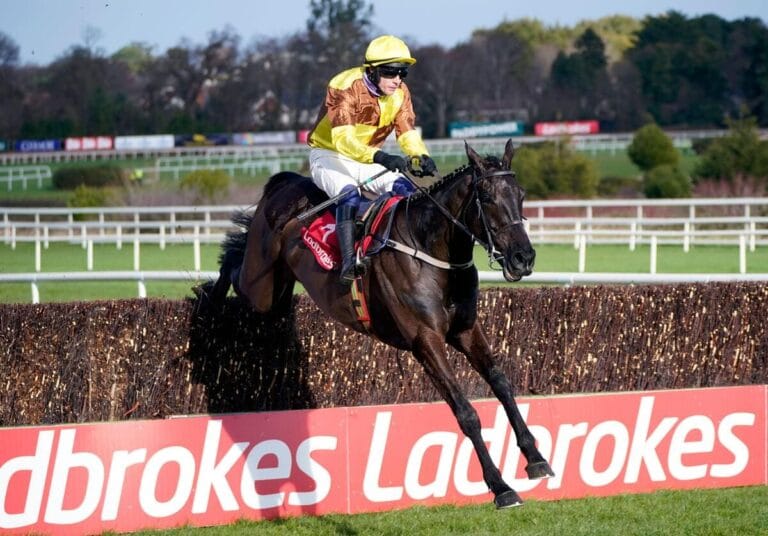
Cheltenham results: Gold Cup glory for Inothewayurthinkin after 100/1 shot Poniros wins at 2025 races
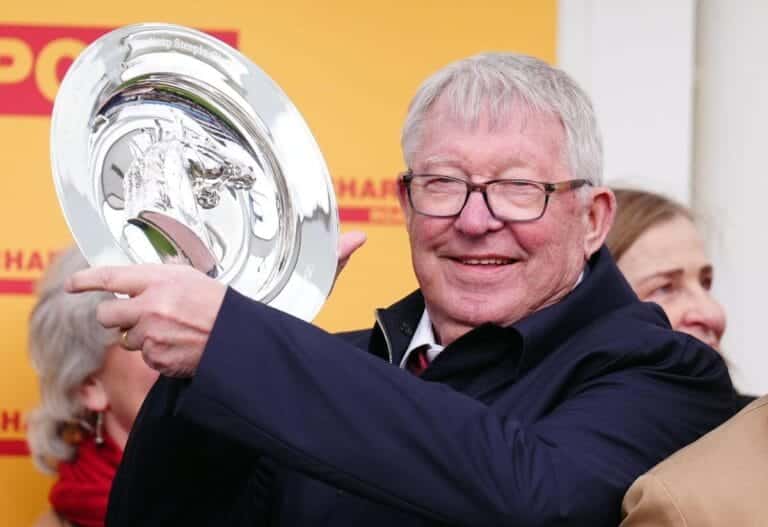
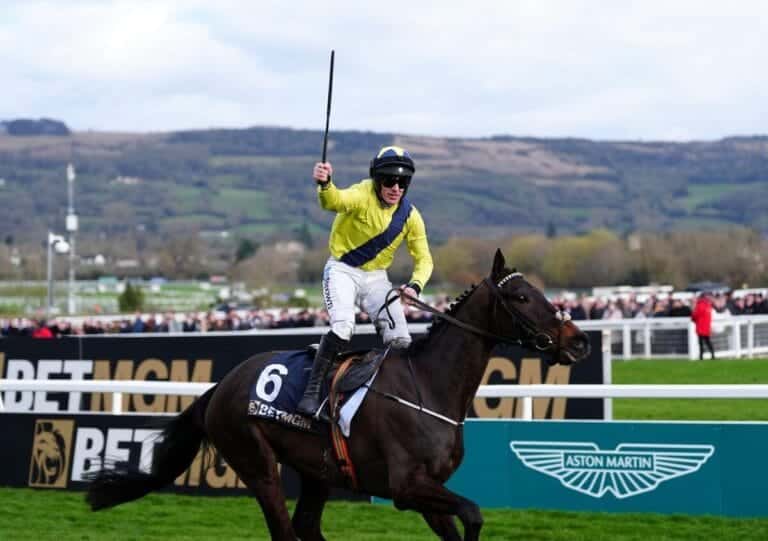
Inothewayurthinkin was not among the original Gold Cup entries
Inothewayurthinkin was not among the original Gold Cup entries
The Cheltenham Festival is four days of the finest National Hunt racing in the world. Held every March at Prestbury Park in Gloucestershire, it brings together the best horses, jockeys and trainers from Britain and Ireland for 28 races across four consecutive days. There is nothing quite like it in the sport.
Every race is a championship contest or a graded event. There are no fillers on the card. From the opening Supreme Novices’ Hurdle on Tuesday afternoon to the Cheltenham Gold Cup on Friday, the standard of racing barely drops.
If you have never been, the first thing people mention is the noise. When the tapes go up on the opening race of Champion Day, the crowd erupts — a collective roar that has become one of the most recognisable sounds in British sport. It is entirely spontaneous, entirely genuine, and it sets the tone for everything that follows.
Racing in Cheltenham goes back to 1815, when the first recorded meeting took place on Nottingham Hill. It was not until 1902 that Prestbury Park entered the picture, and even then the National Hunt Festival only settled there permanently in 1911. That year is widely regarded as the birth of the modern Cheltenham Festival.
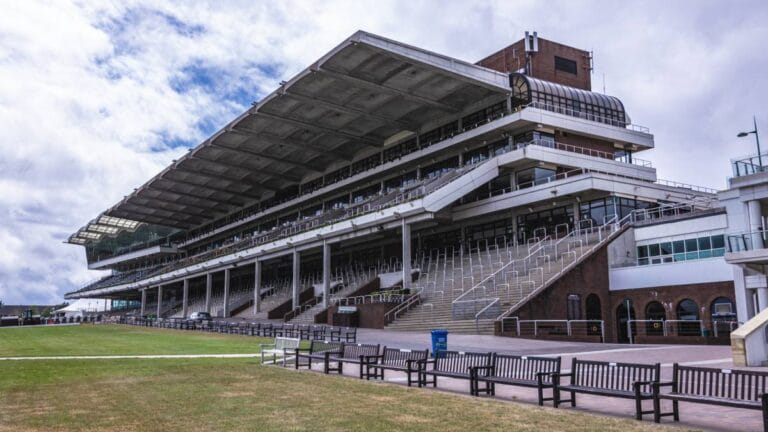
Much of the credit for that goes to Frederick Cathcart, who became clerk of the course in 1907 and drove through significant improvements to the track and facilities. Under his watch, a new grandstand went up in 1908, the meeting expanded to three days in 1923, the Gold Cup was added in 1924, and the Champion Hurdle followed in 1927. The bones of the Festival as we know it today were laid in those years.
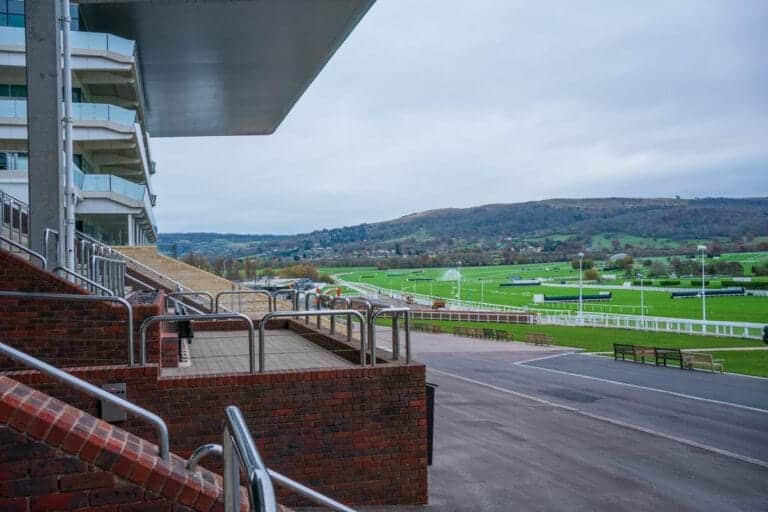
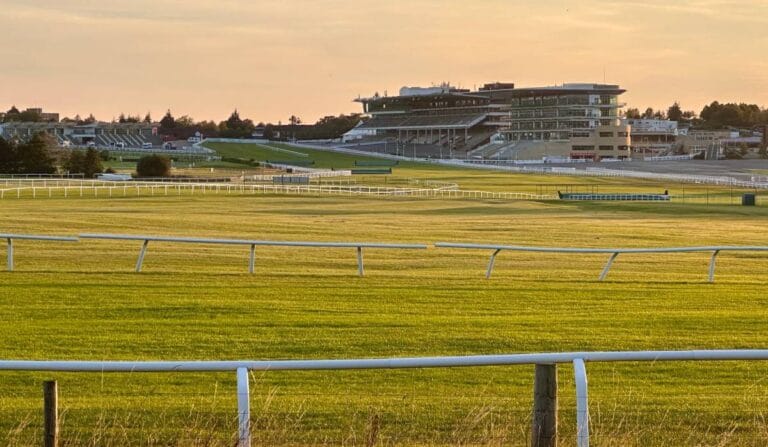
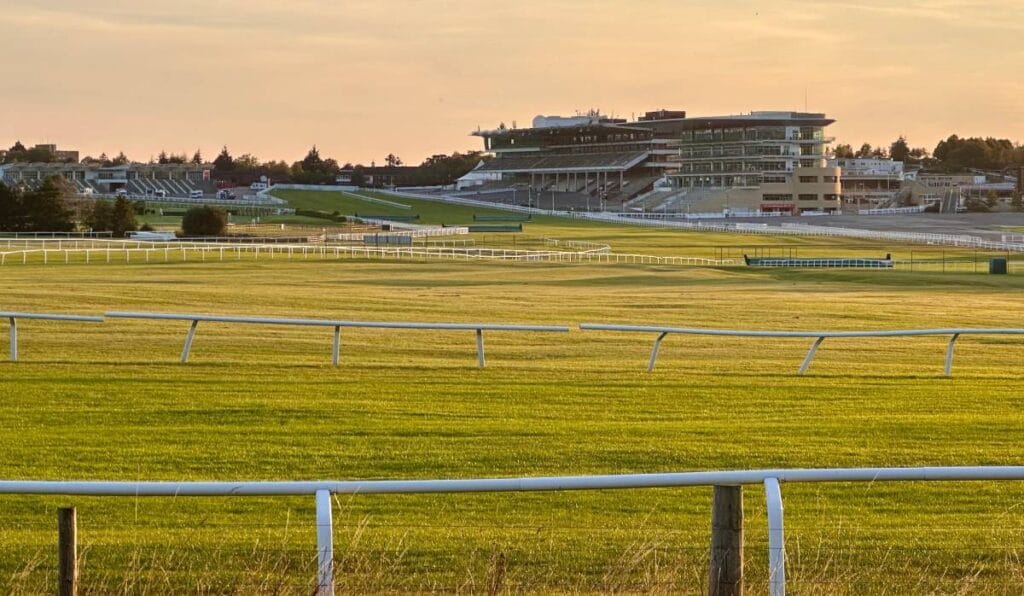
More than a century on, Prestbury Park remains the undisputed home of jump racing. The Cheltenham hill finish — that gruelling climb to the line that tests every horse and rider on the card — has not changed.
The Festival opens with Champion Day, built around the Unibet Champion Hurdle — two miles over hurdles, Grade 1, and the race that crowns the champion hurdler for the season. It is the feature race at 16:00, but the card around it is just as strong. The Supreme Novices’ Hurdle gets things started in the early afternoon, and the Arkle Novices’ Chase — a two-mile Grade 1 contest for novice chasers — regularly produces the next big name in the sport.
Wednesday is Ladies Day, a celebration of fashion as much as racing. The best-dressed competition draws a crowd of its own in the enclosures, while the racing delivers the Queen Mother Champion Chase at 16:00. Two miles over 12 fences at a relentless pace — it tends to produce some of the cleanest, most exhilarating jumping of the week. The Brown Advisory Novices’ Chase and the Glenfarclas Cross-Country Chase also feature, the latter run over a unique course that crosses the track multiple times.
By Thursday the Irish contingent, always significant throughout the week, has fully taken over Prestbury Park. The Guinness Village is packed, the green is everywhere, and the atmosphere is closer to a carnival than a race meeting. On the track, the Paddy Power Stayers’ Hurdle over three miles and the Ryanair Steeple Chase over two miles and four furlongs are the day’s championship events.
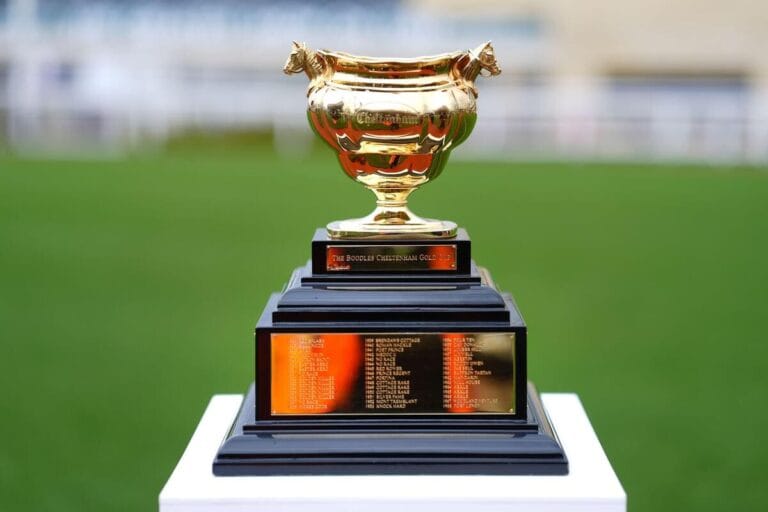
Everything builds to Friday. The Boodles Cheltenham Gold Cup — three miles and two furlongs over fences, Grade 1 — is the race that defines careers. Horses that win the Gold Cup are remembered for decades. Arkle, Desert Orchid, Best Mate, Kauto Star, Galopin Des Champs — the roll call of Gold Cup winners reads like a who’s who of jump racing greatness. Gold Cup Day consistently sells out before any other day of the meeting.
First run in 1924, the Gold Cup is the most prestigious race in National Hunt racing. It is not the fastest race of the week, nor necessarily the most dramatic. But it carries a weight of history and expectation that no other jumps race can match. To win the Gold Cup is to cement a horse’s place in racing folklore.
Added three years after the Gold Cup in 1927, the Champion Hurdle has produced some of the sport’s most celebrated performances. Istabraq won three in a row between 1998 and 2000. Constitution Hill served notice of his talent in the Supreme before dominating the hurdling division. The race rewards speed, jumping accuracy and class in equal measure.
Named in honour of Queen Elizabeth the Queen Mother — who had a deep personal connection with jump racing — the Champion Chase is the speed test of the week. Two miles, twelve fences, and no room for error. It regularly produces the most technically brilliant jumping on the card.
The opening race of the Festival has launched more careers than almost any other contest in the calendar. Istabraq, Vautour, and Constitution Hill all won the Supreme before going on to dominate the sport. If you want an early look at the next generation, this is the race to watch.
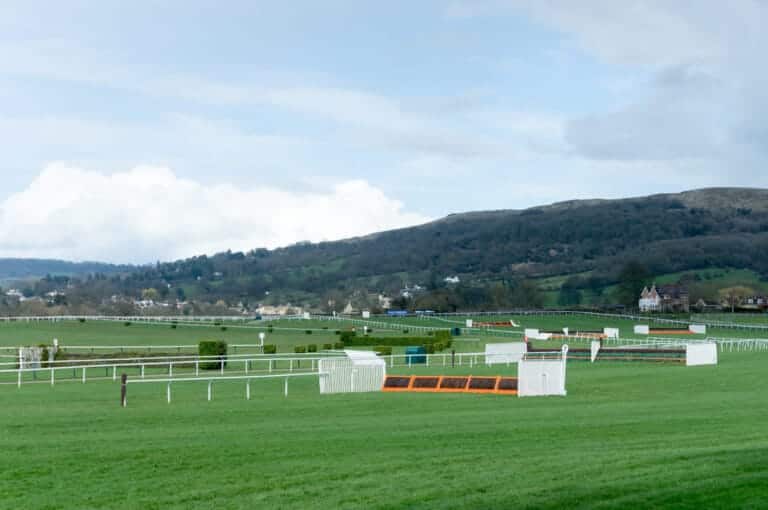
Cheltenham uses three different courses during the Festival, which adds a layer of variety and tactical complexity that few other venues can offer.
The Old Course is the traditional layout — the one most associated with the Gold Cup and the Champion Hurdle. The uphill finish, running into the stands, is the defining feature. Horses who handle it well often have a physical profile that is different from those who excel on flatter tracks.
The New Course shares some of the same terrain but takes a different route. It has been used increasingly in recent years for races that were previously run on the Old Course — the Mares’ Hurdle being the most recent example.
The Cross-Country Course is something else entirely. It winds around and across the infield, incorporating banks, ditches and obstacles you simply would not see anywhere else in Britain. The Glenfarclas Cross-Country Chase on Wednesday is the only Grade race in the world run over this type of course.
Prestbury Park is on the northern edge of Cheltenham town centre in Gloucestershire. It is well served by rail – Cheltenham Spa station is a short taxi ride from the course – and there are park-and-ride services operating throughout the week to ease the pressure on local roads. Raceday traffic around Prestbury Park can be significant, so arriving early and planning your route in advance pays off.
Gates open at 10:30am each day, with the first race at 13:20 and the final race at approximately 17:20. The feature race of each day runs at 16:00.
For tickets, travel information and all official visitor details, the starting point is the Cheltenham Festival official website.